The Art of the Perfect Fit: Why CNC Milled Enclosures Reign Supreme
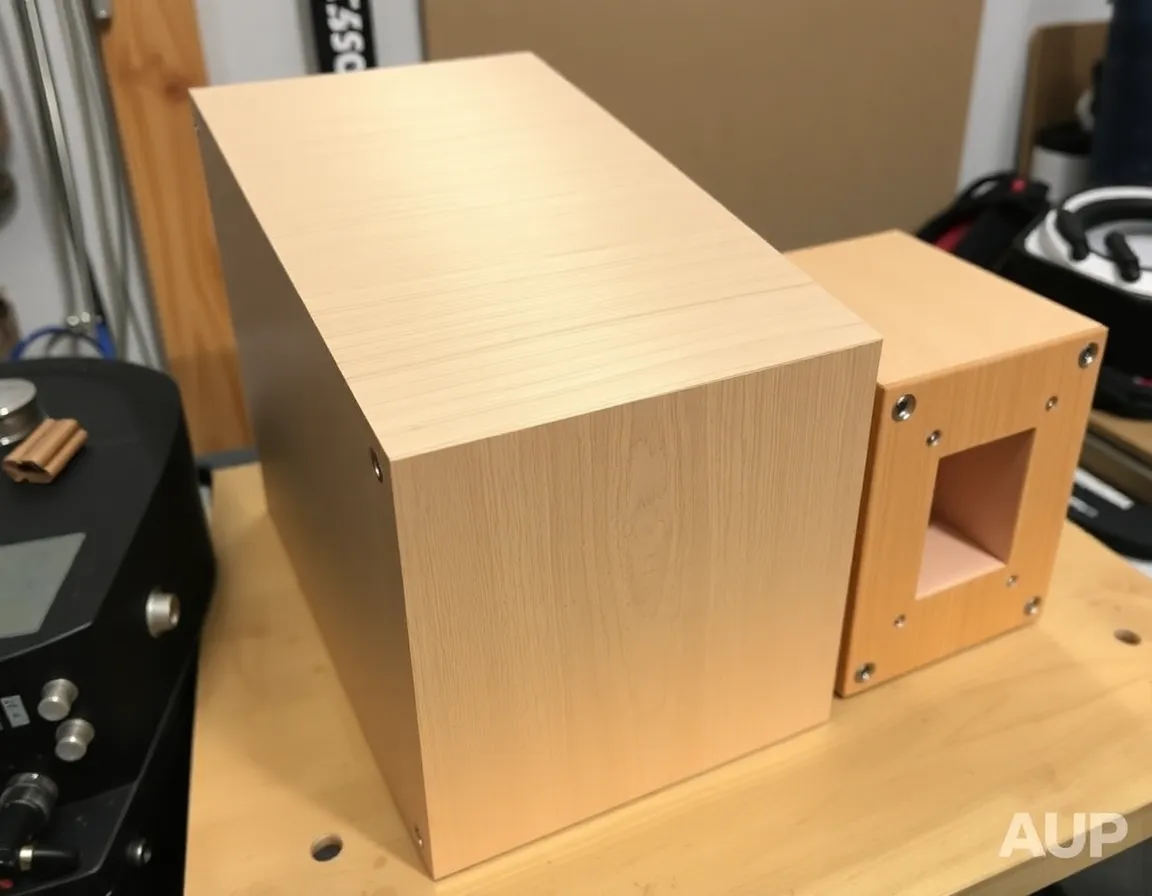
In the world of electronics, robotics, and high-end instrumentation, the enclosure is far more than a simple box. It is the first line of defense, the public face of the product, and a critical component of its functional integrity. As devices become more sophisticated and tolerances tighter, the demand for enclosures that offer a flawless, precision fit has never been greater. This is where CNC milled enclosures transition from an option to a necessity. Moving beyond the limitations of standard off-the-shelf boxes or basic fabrication, CNC milling offers unparalleled control, allowing engineers and designers to create enclosures that are not just containers, but seamless extensions of the device itself.
What Are CNC Milled Enclosures?
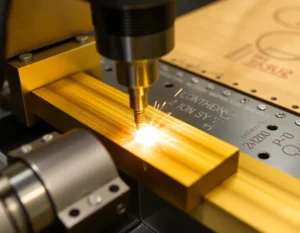
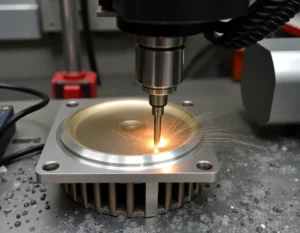
CNC (Computer Numerical Control) milled enclosures are custom housings manufactured by removing material from a solid block—or billet—of material using computer-controlled cutting tools. Unlike sheet metal fabrication, which bends and joins flat sheets, or injection molding, which forces material into a mold, CNC milling is a subtractive process. A digital 3D model (CAD file) guides the milling machine's precise movements, cutting away material with extreme accuracy to reveal the final part. This method is exceptionally well-suited for creating one-off prototypes, low-to-medium volume production runs, and enclosures with complex geometries that other methods cannot achieve.
The Core Materials: From Aluminum to Engineering Plastics
The choice of material is fundamental to the enclosure's performance. CNC milling works with a vast array of materials, each offering distinct advantages:
- Aluminum (e.g., 6061-T6): The industry standard for a reason. It offers an excellent strength-to-weight ratio, natural EMI/RFI shielding, superior heat dissipation, and a professional, machinable finish. It’s ideal for ruggedized devices, RF equipment, and high-performance computing.
- Stainless Steel (e.g., 304 or 316): Chosen for ultimate durability and corrosion resistance. Essential for medical, marine, food processing, or chemical industry applications where sterilization and environmental resilience are paramount.
- Engineering Plastics (e.g., ABS, Polycarbonate, PEEK, Delrin): Offer electrical insulation, lighter weight, and can be transparent (polycarbonate). PEEK and Delrin provide low friction and high chemical resistance, perfect for specialized mechanical assemblies.
The Unmatched Benefits of Precision CNC Enclosures
Opting for a CNC milled enclosure is an investment in product quality, reliability, and aesthetics. The benefits are comprehensive and directly impact the success of the final product.
Perfect Fit and Integration
This is the cornerstone advantage. Every mounting hole, port cutout, connector recess, and heatsink fin is machined to exacting specifications, typically within tolerances of ±0.005 inches (0.127mm) or tighter. This ensures that PCBs, displays, switches, and connectors align perfectly without stress, eliminating the need for awkward shimming or modification. The enclosure becomes a foundational component of the assembly, not an afterthought.
Exceptional Structural Integrity and Durability
Starting from a solid billet results in a monolithic structure with no welded seams or joints that can become failure points. This provides superior rigidity, protecting sensitive internal components from shock, vibration, and physical impact. The inherent strength of the milled part also allows for thinner walls while maintaining stiffness, potentially reducing overall weight and material use.
Unparalleled Design Freedom and Complexity
CNC milling can create features that are impossible with other methods. This includes intricate 3D contours, undercuts, internal channels for cooling or wiring, textured grips, seamless multi-level designs, and integrated mounting bosses. The only limit is the designer's imagination and the tool's reach.
Superior Aesthetics and Brand Perception
The machined finish of a CNC enclosure conveys quality, precision, and value. The visible tooling marks, crisp edges, and anodized or powder-coated finishes create a high-end, professional product that commands attention and justifies a premium price point. It allows for a unique, branded look that stands out in a crowded market.
Rapid Prototyping and Seamless Scaling
The same CAD file used for design can be sent directly to the CNC machine, enabling rapid turnaround of functional prototypes. This allows for real-world testing of fit, form, and function. Crucially, the transition from prototype to low-volume production is seamless—no expensive molds needed. Volumes can be scaled efficiently from one unit to hundreds or thousands.
Key Applications Across Industries
The precision of CNC milled enclosures makes them indispensable in fields where performance, reliability, and exact specifications cannot be compromised.
- Aerospace & Defense: Avionics boxes, communication modules, and sensor housings that must withstand extreme G-forces, vibration, and harsh environments.
- Medical & Life Sciences: Surgical devices, diagnostic equipment, and portable monitors requiring biocompatibility, easy sterilization, and flawless operation.
- Telecommunications & RF: 5G components, antenna housings, and signal amplifiers where precise shielding (EMI/RFI) and thermal management are critical.
- Professional Audio/Video: High-end audio interfaces, broadcast equipment, and camera rigs where durability, shielding from interference, and aesthetic appeal are key selling points.
- Industrial Automation & Robotics: Controller housings, sensor enclosures, and drive units for factory floors that demand ruggedness, precision mounting, and protection from contaminants.
- High-Performance Computing & Cryptocurrency Mining: Custom server chassis and mining rigs designed for optimal airflow, heat sink integration, and dense component layout.
Best Practices in Designing for CNC Milled Enclosures
To fully leverage the capabilities of CNC milling and ensure a cost-effective, manufacturable design, adhering to certain principles is essential.
Design for Manufacturability (DFM) from the Start
Collaborate with your CNC machining partner early in the design process. Consider tool access; internal square corners require a tool change and increase cost—specify a radius. Limit the depth of cavities to reasonable tooling ratios. Standardize hole sizes where possible to minimize tool changes. These steps dramatically reduce machining time and cost.
Mastering Tolerances: Critical vs. Non-Critical
Not every dimension needs to be held to a microscopic tolerance. Clearly define which features are critical (e.g., bearing press-fit holes, PCB standoff locations) and which are non-critical (e.g., some aesthetic recesses, certain internal clearances). Applying tight tolerances only where needed keeps costs under control.
Strategic Material Selection
Balance performance needs with budget. While aluminum 6061 is a versatile and cost-effective choice, a high-wear application might need hardened steel, and a chemical sensor might require PEEK. Also, consider the raw stock size; designing an enclosure that fits neatly into a standard billet dimension minimizes waste and cost.
Incorporate Finishing Considerations
The design should account for the desired finish. For anodizing, avoid sharp edges that can lead to thin coating buildup. For painting, design smooth surfaces. Specify machined textures if a non-reflective or grip surface is needed. Include clear callouts for critical surfaces that must remain untouched during finishing.
Leverage Modern Software and Prototyping
Use robust CAD software (like SolidWorks, Fusion 360, or Onshape) to create clean, fully defined 3D models. Utilize rendering tools to visualize the final product. Always, without exception, prototype. A physical prototype will reveal assembly quirks, usability issues, and fit problems that are invisible on screen.
Conclusion: The Definitive Choice for Demanding Applications
In an era where product differentiation and flawless performance are paramount, the enclosure can no longer be an afterthought. CNC milled enclosures represent the pinnacle of custom housing solutions, offering a synergy of perfect fit, robust durability, and stunning aesthetics that mass-production methods cannot match. While the per-unit cost may be higher than a standard off-the-shelf box, the value delivered in terms of integration, reliability, and brand elevation is immense. For engineers and designers who refuse to compromise, who see the enclosure as an integral component of their vision, precision CNC milling is not just a manufacturing process—it is the essential tool for realizing a perfect fit.