
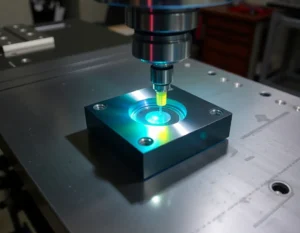
Precision Sensor Mount Machining: A Critical Guide
Introduction: The Critical Role of Precision in Sensor Mount Machining In the world of advanced measurement and control, the sensor is only as good as its foundation. A sensor, whether…
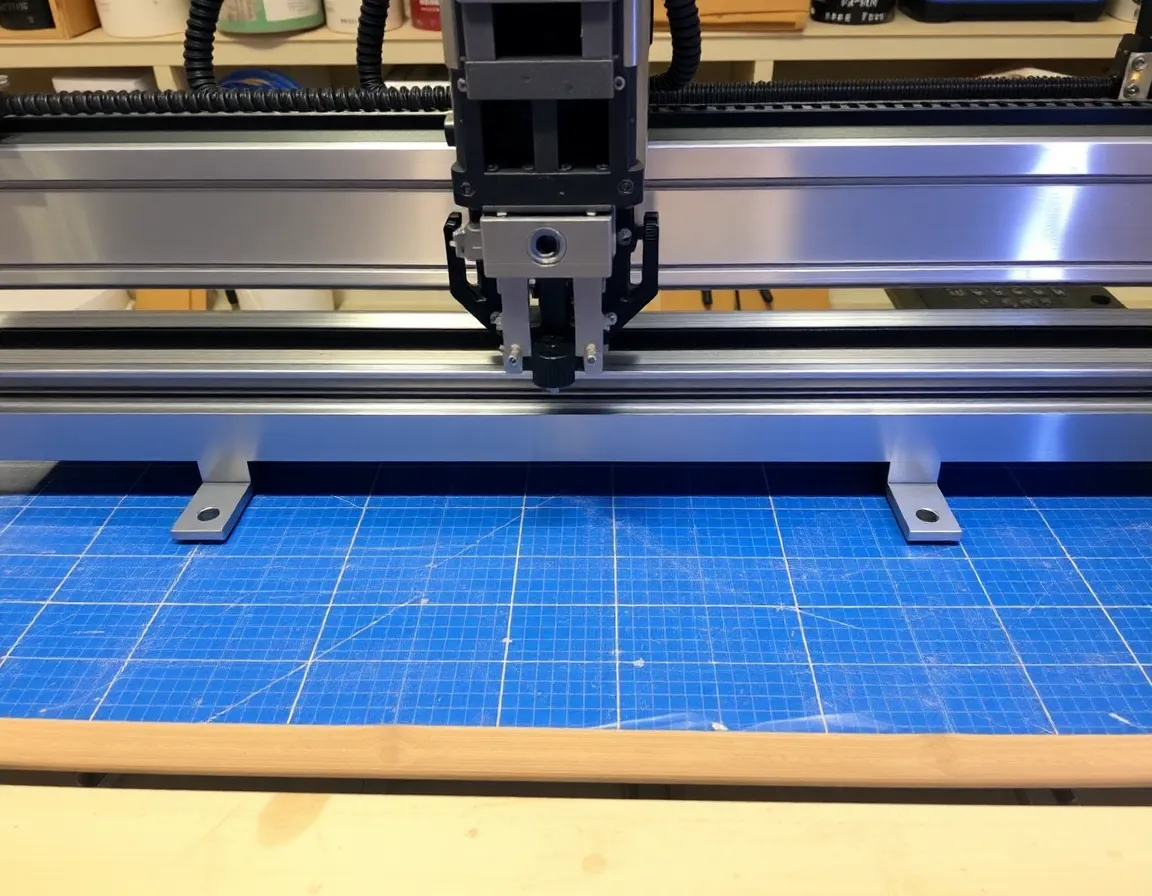
In the world of precision engineering and robust fabrication, CNC milled brackets represent the pinnacle of reliability and exactitude. These components are custom-designed supports and connectors, meticulously carved from solid blocks of material—such as aluminum, steel, or titanium—using
CNC machining ensures every bracket is identical with tight tolerances, guaranteeing perfect fit and assembly.
Milled from solid material blocks, brackets have no weak points from welding, offering exceptional load-bearing reliability.
Quickly produce complex designs from digital files, drastically reducing lead times from concept to finished part.
Create complex geometries in various metals and plastics, enabling optimized performance for specific applications.
CNC milled brackets are precision components manufactured using Computer Numerical Control (CNC) milling machines. They are typically made from solid blocks of material like aluminum, steel, or plastic, where rotating cutting tools remove material to create a specific, often complex, 3D shape. These brackets are fundamental structural elements used to join, support, or mount parts in a vast array of applications. You'll find them in aerospace assemblies, robotics, automotive frames, high-end electronics enclosures, and custom machinery. The key distinction is their high precision and repeatability, making them ideal for applications where exact fit, strength, and reliability are non-negotiable, unlike simpler, stamped brackets.
The process begins with a digital 3D CAD (Computer-Aided Design) model of the bracket. This design is then translated into machine instructions (G-code) using CAM (Computer-Aided Manufacturing) software. A solid block of material, called a billet or blank, is securely clamped into the CNC milling machine. The machine's computer controller directs the movement of high-speed cutting tools along multiple axes (typically 3, 4, or 5) to precisely cut away material. Tools like end mills and drills create features such as holes, slots, pockets, and complex contours. Throughout the process, the part may be repositioned to machine all sides. Finally, the finished bracket is deburred and often undergoes secondary processes like anodizing (for aluminum) or plating for corrosion resistance and improved appearance.
CNC milled brackets offer several superior benefits. First is exceptional precision and tight tolerances, ensuring perfect fit and alignment in assemblies. Second is material integrity; since they're machined from a solid block, they have no welded seams or weak points, resulting in superior strength and durability. Third is design flexibility; CNC milling can produce highly complex geometries, intricate features, and lightweight yet strong structures that are impossible with stamping or fabrication. Fourth is excellent repeatability; once programmed, every bracket produced is virtually identical. Finally, they offer a high-quality finish and professional appearance. These benefits make them ideal for prototypes, low-to-medium volume production, and any application where performance, reliability, and precision are critical.
Your concern is common. CNC milling has higher upfront costs per part compared to mass-production methods like stamping, due to programming time, material waste (chips), and machine time. However, for low to medium volumes, complex designs, or prototype phases, they are extremely practical and often cost-effective overall. The elimination of costly tooling (like dies for stamping) makes them economical for smaller batches. Lead times are generally reasonable, often ranging from a few days to a couple of weeks, depending on complexity and shop workload. To optimize cost and time, consider design for manufacturability (DFM): simplify geometries where possible, standardize hole sizes, and choose readily available materials. Getting a quote from a reputable machine shop with your CAD file is the best way to assess practicality for your specific project.
The ordering process typically starts with you providing a 3D CAD model (e.g., STEP, SLDPRT file) and specifying material, finish, and quantity. A machine shop will then analyze the design for manufacturability and provide a formal quote. Pricing is determined by several key factors: Material Cost (aluminum, stainless steel, etc.), Machine Time (complexity and number of operations/setups), Quantity (higher volumes reduce cost per part due to amortized programming/setup), and Secondary Operations (anodizing, plating, heat treatment). Labor for programming and setup is a fixed cost, so unit price drops significantly as quantity increases. It's crucial to communicate your application's requirements (load, environment, tolerances) so the shop can recommend the most cost-effective material and process to meet your needs without over-engineering.
Introduction: The Critical Role of Precision in Sensor Mount Machining In the world of advanced measurement and control, the sensor is only as good as its foundation. A sensor, whether…
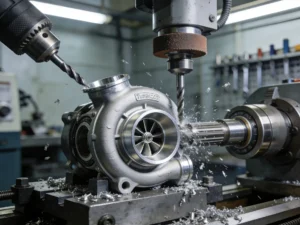
In the high-stakes world of automotive engineering and aerospace propulsion, the margin for error is virtually non-existent. Engineers often face a recurring nightmare: a prototype turbocharger that performs beautifully on…
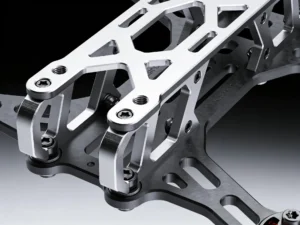
The global Unmanned Aerial Vehicle (UAV) industry has witnessed a paradigm shift in structural integrity and performance requirements over the last decade. At the heart of this evolution lies the…