Introduction: The Unseen Engine of Modern Imaging
In the world of photography and videography, the conversation often revolves around sensors, lenses, and megapixels. Yet, beneath the sleek exterior of a high-end camera lies a complex ecosystem of meticulously engineered components that make precision and reliability possible. This is the domain of CNC (Computer Numerical Control) camera parts. From lens barrels and mounts to intricate internal gears and chassis components, CNC machining is the silent workhorse enabling the durability and accuracy demanded by professionals and enthusiasts alike. This buyer's guide will navigate the critical aspects of CNC camera parts, empowering you to make informed decisions whether you're building, repairing, or upgrading your imaging equipment.
What Are CNC Camera Parts?
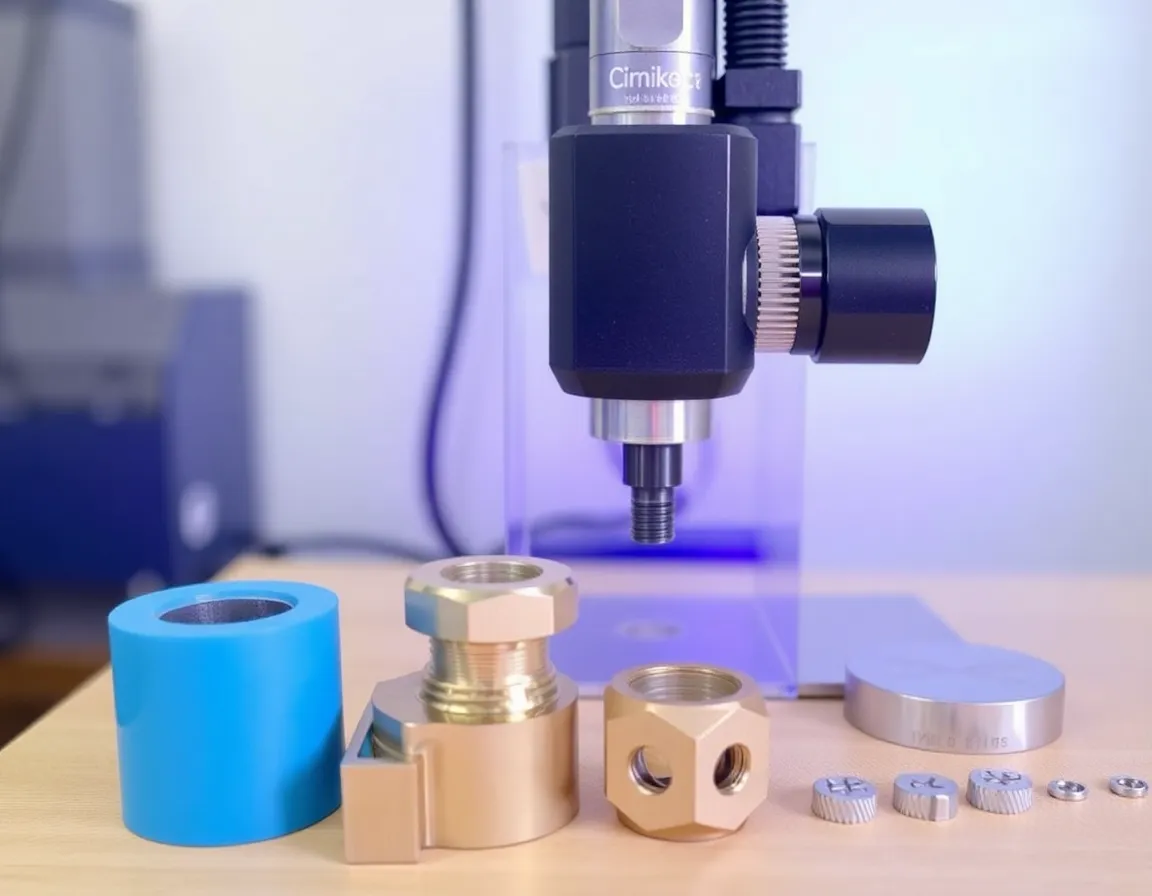
CNC camera parts are components manufactured using Computer Numerical Control machining. This is a subtractive manufacturing process where a block of solid material (metal, plastic, or composite) is shaped by computer-controlled cutting tools to produce a part with exact dimensions and complex geometries. Unlike casting or molding, CNC machining offers unparalleled precision, often within tolerances of thousandths of a millimeter.
Common Types of CNC Camera Parts
The application of CNC machining in camera systems is vast. Key components include:
- Lens Mounts: The critical interface between camera body and lens. Precision here ensures accurate flange distance, maintaining focus integrity and electronic contact reliability.
- Lens Barrels and Helicals: The outer casing and internal focusing threads of a lens. CNC machining allows for buttery-smooth focus throws and perfect alignment of optical elements.
- Camera Body Chassis and Plates: The internal skeleton of a camera. CNC-machined aluminum or magnesium alloy provides a rigid, lightweight, and durable foundation that protects sensitive electronics.
- Brackets and Rig Components: For cine and video work, CNC-machined cheese plates, rod clamps, and handle brackets offer robust mounting solutions for accessories.
- Specialized Accessories: This includes custom lens gears for follow focus systems, aperture rings, lens hoods, and even unique camera controls like thumb rests or button extensions.
Why Choose CNC-Machined Parts? The Core Benefits
Opting for CNC-machined components over cheaper, mass-produced alternatives offers a suite of advantages that directly impact performance and longevity.
Unmatched Precision and Consistency
Every part produced by a CNC machine is virtually identical. This repeatability is crucial for camera systems where a variance of even a few microns can affect image sharpness or cause mechanical binding. For lens adapters or repair parts, this precision ensures a perfect fit, restoring the camera to its original specifications.
Superior Material Integrity and Strength
CNC parts are machined from solid billets of material, such as aerospace-grade aluminum (e.g., 6061-T6 or 7075), stainless steel, brass, or high-grade plastics like PEEK. This results in components free from the porosity or weaknesses that can occur in cast parts. The inherent strength allows for thinner, lighter designs without sacrificing durability—a key consideration for handheld gear.
Exceptional Durability and Longevity
The combination of premium materials and precise machining creates parts that withstand wear, impact, and environmental stress. Anodized or coated CNC aluminum parts resist corrosion and scratching, ensuring that lens mounts don't wear out after repeated lens changes and rig components can endure the rigors of a film set.
Design Flexibility for Customization
CNC machining is ideal for low-volume production and one-off custom parts. This enables the creation of specialized components not available on the market, such as unique cage systems for unconventional camera setups, modified lens controls for ergonomics, or adapters for vintage lenses.
Key Considerations When Buying CNC Camera Parts
Navigating the market for CNC parts requires attention to detail. Here are the critical factors to evaluate before making a purchase.
Material Selection
The choice of material dictates the part's weight, strength, corrosion resistance, and sometimes even thermal stability.
- Aluminum Alloys (6061, 7075): The most common choice. Offers an excellent strength-to-weight ratio, is easy to machine, and can be hard-anodized for a durable, scratch-resistant finish.
- Stainless Steel: Used for parts requiring extreme strength and wear resistance, such as small pins, screws, or high-stress components. It is heavier than aluminum.
- Brass/Bronze: Often used for premium lens helicals or gears due to its self-lubricating properties and smooth engagement.
- Engineering Plastics (Delrin, PEEK): Used for non-marring components, insulating parts, or where weight savings are paramount.
Tolerances and Finishing
Always inquire about the machining tolerances. High-precision parts for optical systems should typically hold tolerances within ±0.01mm or tighter. The finish is also vital. Look for descriptions like "fully machined," "deburred," and "anodized." A quality anodized finish not only looks professional but significantly increases surface hardness and corrosion resistance. Bead-blasting before anodizing provides a beautiful matte texture that reduces light reflection.
Design and Compatibility
Scrutinize technical drawings or compatibility lists. For lens mounts, the flange focal distance is the most critical specification—an error here will prevent the camera from achieving infinity focus. Ensure the part design accounts for necessary clearances and does not interfere with existing buttons, ports, or moving parts on your camera.
Manufacturer Reputation and Documentation
Purchase from reputable manufacturers or machinists who specialize in photographic equipment. Check reviews, examine sample photos of their work, and see if they provide clear documentation. A trustworthy seller will be transparent about their processes, materials, and tolerances.
Applications: From DIY to High-End Cinema
The use of CNC camera parts spans a wide spectrum of applications, each leveraging the technology's strengths.
Camera Repair and Maintenance
CNC machining is a savior for repairing discontinued or rare cameras. Skilled technicians can reproduce broken gears, damaged lens mounts, or lost components, often improving upon the original material for longer life.
Custom Camera and Lens Building
The "camera hacking" and DIY community heavily relies on CNC parts to build custom cameras, often using large format or scientific sensors. Similarly, lens makers use CNC machining to create barrels for unique optical designs or to house vintage elements in a modern, usable form.
Professional Cine and Video Rigs
In film production, cameras are built out into complex rigs with monitors, recorders, microphones, and follow focus systems. CNC-machined cages, rod brackets, and handles provide a modular, rock-solid platform that can be configured and reconfigured for any shot, knowing every part will align perfectly and hold securely.
Enhancing Ergonomics and Functionality
For photographers, custom CNC parts like extended finger grips, shutter button soft releases, or hot shoe covers can improve handling. For videographers, custom gear rings for focus pulling or precisely calibrated aperture rings for cine-modded lenses are common upgrades.
Best Practices for Selection and Care
To ensure optimal performance and longevity of your CNC camera parts, follow these guidelines.
- Start with a Clear Need: Define the problem you're solving. Is it durability, compatibility, functionality, or repair? This will guide your material and design choices.
- Communicate with the Machinist: If commissioning a custom part, provide detailed drawings, dimensions, and context about its use. Collaboration is key to a successful outcome.
- Perform a Test Fit: Upon receiving a part, especially a critical one like a lens mount, perform a careful test fit without forcing anything. Check alignment and smoothness of operation.
- Maintain Cleanliness: Keep machined parts, especially threads and mating surfaces, clean and free of dust or grit. A small particle can compromise precision and cause wear.
- Use Appropriate Tools: When installing parts, use the correct size and type of screwdriver or wrench to avoid stripping fastener heads. Tighten to a firm but not excessive torque.
Conclusion: Investing in Precision
CNC camera parts represent the intersection of traditional craftsmanship and digital-age precision. They are the foundation upon which reliable, high-performance imaging systems are built and maintained. While they may come at a higher cost than off-the-shelf alternatives, their value is measured in flawless operation, enduring reliability, and the ability to realize custom creative visions. Whether you are a technician breathing new life into a classic camera, a filmmaker assembling a battle-ready rig, or a photographer seeking the perfect tactile interface, understanding and selecting the right CNC-machined components is an investment in the art and science of capturing light. By prioritizing material quality, manufacturing tolerance, and design integrity, you ensure that the unseen engine of your camera works in perfect harmony, shot after shot.