What is Clear Anodizing?
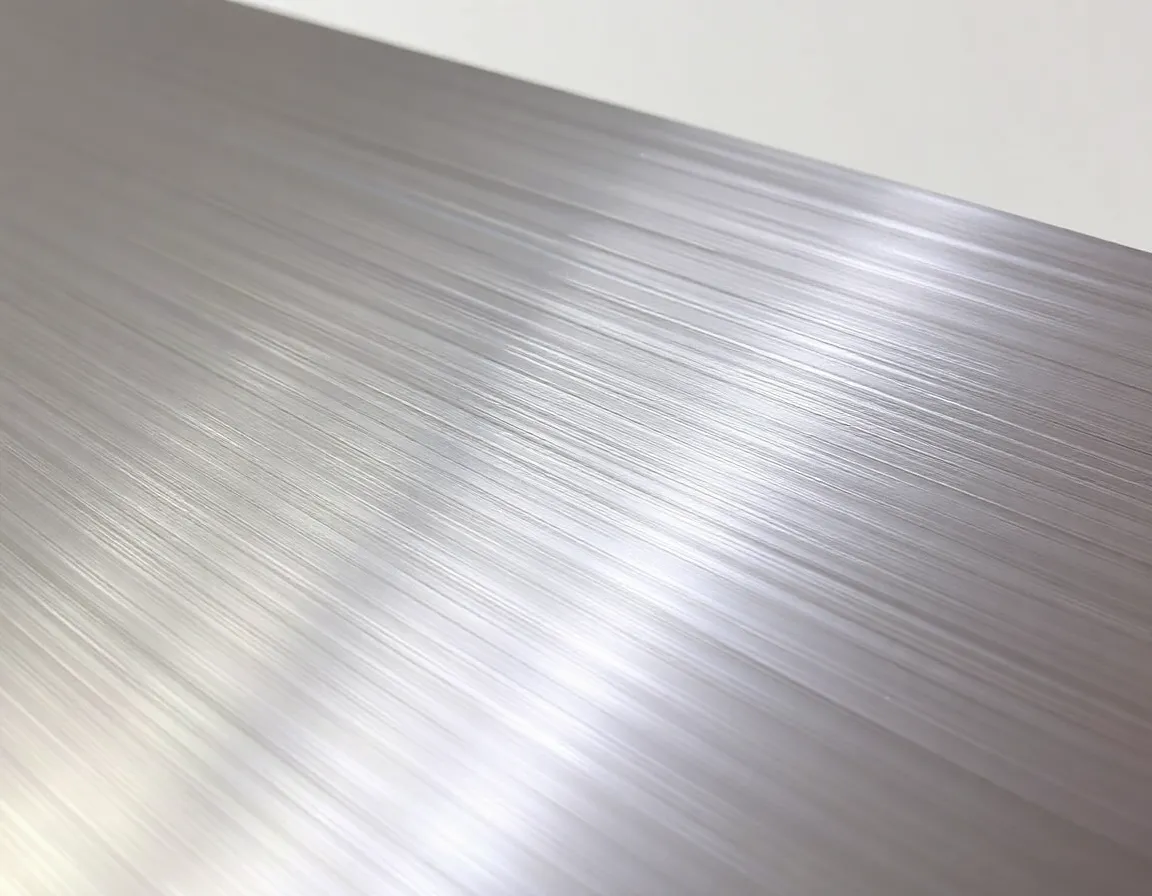
In the world of metal finishing, few processes are as revered for their combination of beauty and brawn as clear anodizing. Also known as clear anodize finish, it is an electrochemical process that thickens and toughens the natural oxide layer on the surface of aluminum and its alloys. Unlike colored anodizing, which uses dyes, the clear variant is left undyed, resulting in a transparent, protective layer that preserves the metal's natural metallic appearance—whether that's the sleek, bright look of mill-finish aluminum or the subtle, matte texture of a brushed surface. This finish is not a coating that sits on top; it is an integral part of the metal itself, grown from the base material, which makes it exceptionally durable and resistant to chipping or peeling.
The Electrochemical Science Behind the Finish
The clear anodizing process is a controlled enhancement of a natural phenomenon. Aluminum naturally forms a thin, passive oxide layer when exposed to air. Anodizing amplifies this layer thousands of times. The process involves immersing the aluminum part as an anode in an acidic electrolyte bath, typically sulfuric acid. When an electrical current is passed through the solution, oxygen ions are released at the surface of the aluminum, reacting with it to build a dense, honeycomb-shaped structure of aluminum oxide. This "anodic layer" is porous initially, which is what allows for dyeing in other anodizing types. In clear anodizing, these pores are then permanently sealed in a hot water or steam bath, locking in the clear, protective characteristics.
The Multifaceted Benefits of a Clear Anodize Finish
Choosing a clear anodize finish is a strategic decision that delivers a powerful suite of advantages, making it a preferred choice for engineers, designers, and manufacturers across countless industries.
Superior Corrosion and Wear Resistance
The primary function of anodizing is protection. The hard aluminum oxide layer is highly resistant to corrosion from environmental factors like moisture, salt spray, and UV radiation. It also provides exceptional abrasion resistance, significantly increasing the surface hardness of the aluminum. This makes parts more durable against handling, scratching, and wear in demanding applications, far outperforming painted or powder-coated surfaces in terms of surface hardness.
Aesthetic Versatility and Permanence
Clear anodizing is the champion of maintaining metallic aesthetics. It enhances the natural beauty of aluminum without altering its color, providing a consistent, clean look that is both modern and professional. The finish is also remarkably stable; because the layer is inorganic and fully integrated, it will not fade, yellow, or chip like organic paints or plastics can when exposed to sunlight or physical impact. The visual appeal is as lasting as the protection.
Enhanced Surface Properties
Beyond looks and corrosion defense, the anodized layer offers practical benefits. It serves as an excellent electrical insulator, despite the base aluminum being highly conductive. The porous nature of the layer before sealing also makes it ideal for improving paint and adhesive bonding when a secondary coating is required. Furthermore, the sealed surface is non-toxic, chemically stable, and easy to clean, meeting stringent requirements for medical, food service, and architectural applications.
Key Applications Across Industries
The unique properties of clear anodizing make it indispensable in fields where performance and appearance must go hand-in-hand.
- Architecture and Building Facades: For window frames, curtain walls, roofing, and decorative panels, clear anodizing provides long-term weather resistance and maintains a consistent, elegant appearance for decades.
- Aerospace and Automotive: Used on both interior and exterior components, from trim pieces to engine parts, where weight savings, durability, and resistance to harsh conditions are critical.
- Consumer Electronics: The sleek, metallic finish on laptops, smartphones, tablets, and televisions is often a clear anodized aluminum, offering a premium feel, scratch resistance, and effective heat dissipation.
- Medical and Laboratory Equipment: The non-toxic, easy-to-sterilize, and chemically resistant surface is perfect for surgical tools, device housings, and lab instrument frames.
- Marine and Outdoor Equipment: Handles, fittings, and housings benefit from the enhanced saltwater corrosion resistance and UV stability.
- Industrial Machinery: Used on frames, guards, and components where wear resistance and maintaining a clean, professional look are important.
Best Practices and Considerations for Optimal Results
Achieving a perfect clear anodize finish requires attention to detail at every stage, from material selection to post-processing.
Material Selection and Preparation
The alloy of aluminum has a profound impact on the final appearance. For a bright, clear finish, 5xxx and 6xxx series alloys (like 6061 and 6063) are preferred as they anodize to a neutral, transparent layer. Alloys with higher silicon or copper content (like some 2xxx or 7xxx series) will anodize to a darker, often yellowish or grayish tone. Surface preparation is equally critical. Machining, polishing, brushing, or bead blasting must be done uniformly before anodizing, as the process will amplify any surface imperfection. A thorough cleaning and etching process is also essential to remove oils and oxides for a uniform anodic layer.
The Anodizing Process Parameters
Controlling the process variables determines the performance characteristics of the finish:
- Layer Thickness: Measured in microns (µm) or mils, thickness is controlled by voltage, acid concentration, temperature, and time. Common specifications are:
- Decorative (e.g., indoor consumer goods): 5-10 µm
- Architectural/General Purpose: 15-25 µm
- Hardcoat/Industrial: 25-50+ µm
- Sealing Quality: Proper sealing is what locks in the corrosion resistance. A poorly sealed part will have reduced performance and may even exhibit a whitish "bloom" or be prone to staining.
Post-Anodizing Handling and Maintenance
While incredibly tough, anodized surfaces can still be damaged by harsh abrasives or extreme pH levels. For cleaning, mild soap and water are usually sufficient. Avoid acidic or alkaline cleaners. For architectural applications, regular cleaning to remove environmental contaminants is recommended to maintain appearance. It's also important to note that if the anodic layer is deeply scratched or gouged, the underlying aluminum will be exposed and will need protection, as the anodizing cannot "heal" itself.
Conclusion: The Clear Choice for Performance and Aesthetics
Clear anodizing stands as a testament to engineering elegance—a process that harnesses fundamental chemistry to create a finish that is far more than skin deep. It is the ultimate protective finish for aluminum because it seamlessly merges formidable defense against the elements with an honest, enduring celebration of the metal's inherent beauty. It provides a hard, non-conductive, corrosion-resistant, and maintenance-friendly surface that is permanently bonded to the substrate. For anyone specifying materials where longevity, functionality, and visual appeal are non-negotiable, a clear anodize finish is not just an option; it is often the definitive solution, ensuring that aluminum components perform flawlessly and look impeccable for years to come.