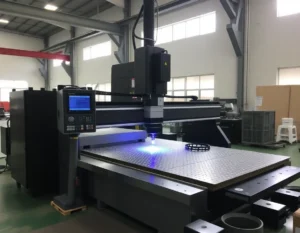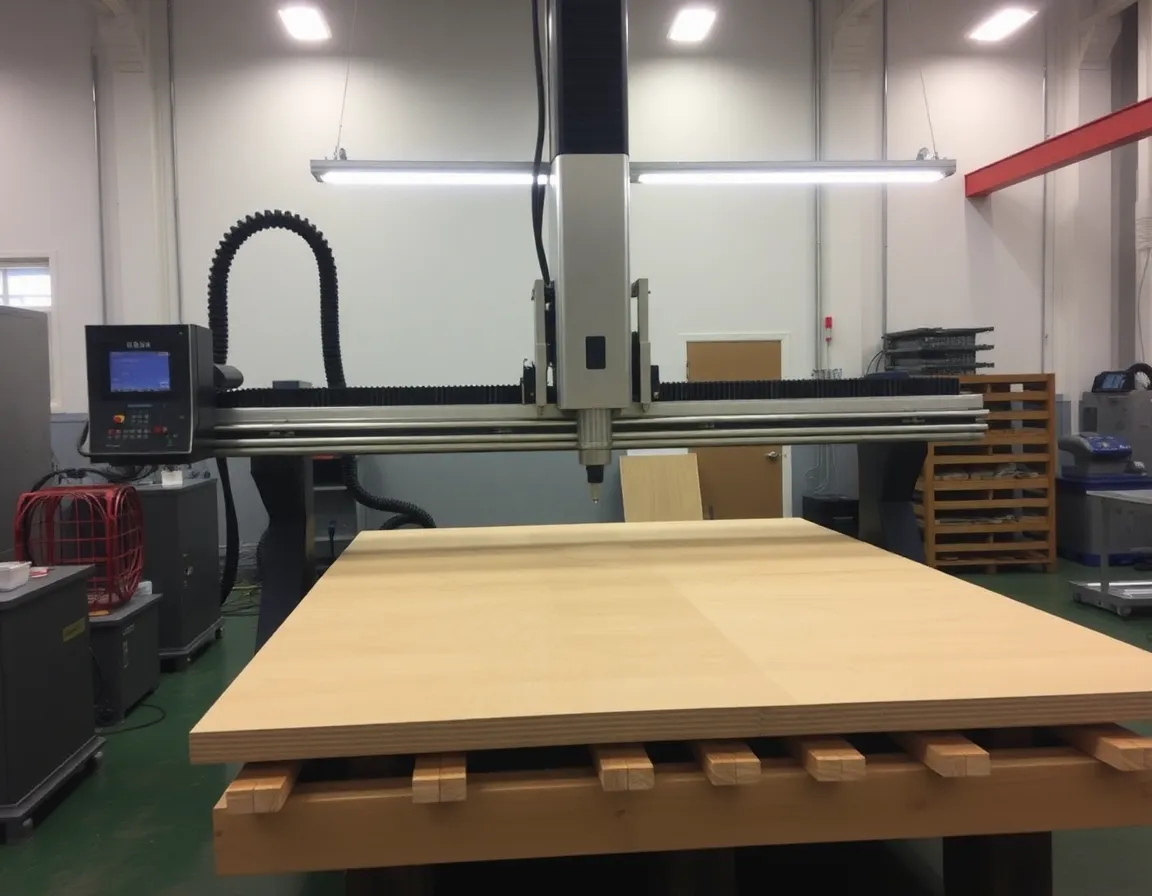
Introduction: The Global Hub of Precision Manufacturing
In the intricate world of modern manufacturing, where microns matter and surface finish defines function, CNC finishing stands as the final, critical gatekeeper of quality. It is the process that transforms a machined part from a simple component into a precision-engineered masterpiece. At the epicenter of this high-stakes craft, China has evolved from a low-cost outsourcing destination to the undisputed global leader in providing sophisticated, reliable, and cost-effective CNC finishing services. This article delves into the expertise that defines China's dominance in this field, exploring the technological prowess, systemic advantages, and best practices that make its finishing services a cornerstone of global supply chains.
The Anatomy of CNC Finishing: Beyond Basic Machining
CNC finishing is the culmination of the subtractive manufacturing process. While rough machining removes bulk material to get close to the final shape, finishing involves precise, light-pass operations to achieve the exact dimensional tolerances, geometric accuracy, and surface texture specified in the design. It is a discipline that demands superior machinery, expert programming, and meticulous quality control.
Core Techniques in the Chinese Finishing Arsenal
Chinese workshops are equipped to execute a vast array of finishing techniques, often under one roof:
- High-Speed Machining (HSM): Utilizing advanced CNC mills and lathes with high spindle speeds and feed rates to take light, fast cuts, minimizing heat and tool deflection for exceptional surface quality.
- Precision Grinding: Employing surface, cylindrical, and centerless grinders to achieve ultra-tight tolerances (often within ±0.001mm) and mirror-like finishes on hardened metals.
- CNC Turning with Fine Finishes: Advanced CNC lathes and Swiss-type lathes produce finishes as smooth as 0.2 Ra µm on cylindrical parts, essential for shafts, pins, and connectors.
- Micro-Machining: For medical and optical components, specialized CNC equipment machines features smaller than a human hair, requiring pristine finishing in a controlled environment.
The Role of Technology and Software
Precision is not just about hardware. Chinese engineering firms leverage top-tier CAD/CAM software (like Siemens NX, Mastercam, and PowerMill) to simulate the entire finishing process. This virtual prototyping optimizes tool paths, predicts and eliminates potential errors like chatter or gouging, and ensures the machine code delivers the perfect finish on the first attempt, saving time and material.
Why China Excels: The Strategic Advantages
The country's supremacy in CNC finishing is not accidental; it is built on a powerful convergence of factors that create an unparalleled value proposition.
Unmatched Manufacturing Ecosystem
China boasts the world's most complete industrial supply chain. A finishing workshop in Shenzhen or Dongguan is typically within hours of suppliers for cutting tools, abrasives, lubricants, metrology equipment, and raw materials. This proximity reduces downtime, accelerates prototyping iterations, and allows for collaborative problem-solving at an unprecedented speed.
Scale and Specialization
The vast volume of manufacturing has led to intense specialization. There are clusters of factories dedicated solely to finishing aerospace aluminum, medical-grade titanium, or optical plastics. This focus means accumulated, industry-specific knowledge, tailored equipment, and process optimizations that generalist shops cannot match.
Advanced Infrastructure and Investment
Leading Chinese manufacturers operate in modern facilities with climate-controlled clean rooms for critical applications. They continuously invest in the latest machinery from global leaders like DMG MORI, HAAS, and GF Machining Solutions, often coupled with automated pallet systems and robotic part handling for consistent, high-volume finishing.
The Cost-Quality Equilibrium
While competitive pricing remains a key advantage, the narrative has shifted from "cheap" to "optimal value." Chinese providers offer a spectrum of service tiers, from good-enough finishes for consumer electronics to aerospace-qualified processes. This allows global clients to precisely match the level of finishing sophistication with their project requirements and budget, achieving an optimal balance without over-engineering costs.
Critical Applications Across Industries
The demand for China's CNC finishing expertise spans virtually every high-tech sector, each with its own unique set of challenges and specifications.
- Aerospace & Defense: Finishing turbine blades, structural components, and landing gear to withstand extreme stress, temperature, and fatigue. Processes like shot peening for stress relief are common.
- Medical & Surgical Devices: Implants, surgical tools, and diagnostic equipment require biocompatible, non-porous, and sterilizable finishes (e.g., electrophoretic polishing) with absolute dimensional integrity.
- Automotive (Especially EV & Performance): High-precision finishing of transmission parts, injection nozzles, and lightweight structural components to improve efficiency, reduce noise, and enhance durability.
- Consumer Electronics: Creating the flawless, seamless finishes on smartphone chassis, laptop unibodies, and wearable devices that define brand perception and user experience.
- Mold & Die Making: The foundation of mass production. Chinese tool shops are renowned for finishing injection molds and die-casting dies to a polish that ensures perfect part ejection and a flawless final product surface.
Best Practices for Partnering with a Chinese CNC Finishing Provider
To fully leverage China's expertise, international buyers must engage strategically. Following these best practices ensures a successful and smooth partnership.
Clear and Comprehensive Communication
Beyond the CAD model, provide a detailed technical drawing with all critical dimensions, geometric tolerances (GD&T), and a clearly specified surface finish requirement (e.g., Ra 0.4 µm). Define the part's function and application to help the engineer recommend the best process.
Conduct Rigorous Supplier Vetting
Move beyond online listings. Assess the supplier's:
- Equipment List: Do they have the specific machinery for your required finish?
- Quality Certifications: Look for ISO 9001, IATF 16949 (automotive), or AS9100 (aerospace).
- Sample and Audit: Always request physical samples or a virtual factory tour to assess cleanliness, organization, and metrology capabilities.
Implement a Phased Engagement
Start with a small prototype or pilot order. This tests the supplier's technical capability, communication efficiency, and quality consistency before committing to large-volume production. Use this phase to align on inspection reports and packaging standards.
Invest in Relationship Management
View your finishing supplier as a technical partner. Building a long-term relationship fosters better communication, continuous improvement, and often, priority treatment during supply chain disruptions. Consider using a local bilingual sourcing agent or third-party inspection service for complex projects.
Conclusion: The Future of Precision
China's CNC finishing expertise represents a mature, technology-driven, and indispensable node in global advanced manufacturing. It is a sector that has successfully moved up the value chain, competing on precision, consistency, and integrated service rather than labor cost alone. For engineers and procurement specialists worldwide, mastering the engagement with this ecosystem—understanding its strengths, specializations, and protocols—is key to unlocking superior product quality, accelerated time-to-market, and sustainable competitive advantage. As industries push the boundaries of miniaturization, material science, and performance, China's finishing masters are poised to deliver the precision that tomorrow's innovations will demand.