Introduction: The Battle for Surface Protection
In the world of manufacturing, aerospace, automotive, and electronics, protecting metal surfaces from corrosion, wear, and environmental degradation is not just a preference—it's a necessity. For decades, paint has been the go-to solution for this challenge. However, a sophisticated and often superior alternative has been steadily gaining ground: chemical film coating. This article delves into the intricate details of both protection methods, comparing their mechanisms, advantages, limitations, and ideal applications to answer the pivotal question: Chemical Film vs. Paint: Which is Better? The answer, as we will discover, is not a simple one-size-fits-all but depends heavily on the specific requirements of the project.
Understanding the Contenders
Before we can compare, we must first understand what each technology entails at a fundamental level.
What is Chemical Film Coating?
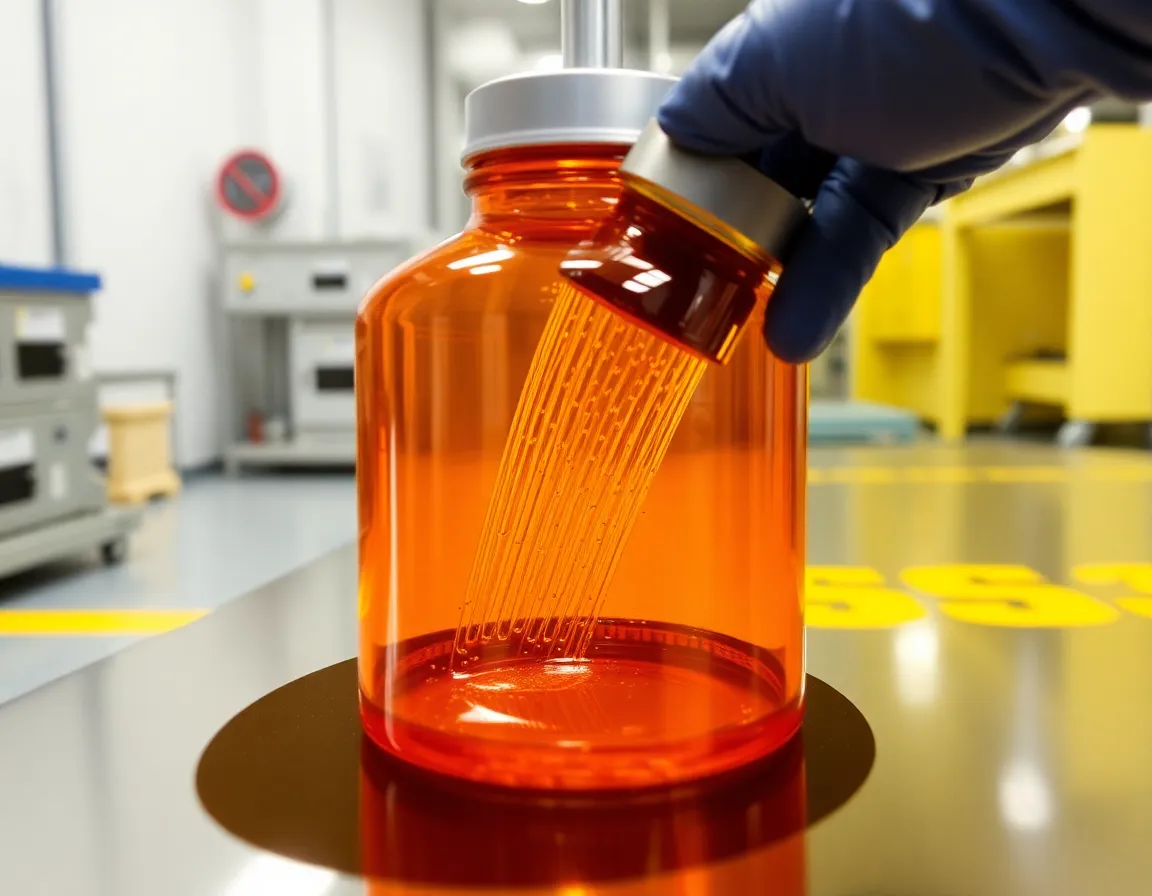
Chemical film, often known by its common trade name Alodine® (a hexavalent chromium-based process) or more modern chromate conversion coatings, is a non-electrolytic chemical treatment applied directly to a metal surface. The process involves immersing, spraying, or brushing the metal with a chemical solution that reacts with the substrate to form an integral, protective layer. This layer is typically very thin (measured in millionths of an inch or microns) and is part of the metal itself, not a separate coating sitting on top. It is frequently used as a pre-treatment or primer for paint or powder coating to dramatically improve adhesion, but it is also a highly effective standalone finish, particularly for aluminum and its alloys.
What is Paint?
Paint is a pigmented liquid or mastic formulation that, after application to a substrate, converts into a solid film. It is a layered system that sits atop the surface it protects. Modern industrial paints, including epoxies, polyurethanes, and acrylics, are complex mixtures of resins (binders), pigments, solvents, and additives. They provide protection by creating a physical barrier between the metal and the environment. Paint systems can be applied in various ways, including spraying, dipping, and brushing, and they are known for providing color, aesthetic appeal, and a degree of mechanical protection.
Head-to-Head Comparison: Mechanisms and Properties
The core difference lies in how each method achieves protection, which cascades into a series of distinct performance characteristics.
Adhesion and Bonding
Chemical Film: Excels in adhesion. Because it chemically alters the top layer of the metal, creating a porous, microscopically rough surface, it provides an exceptional mechanical "key" for subsequent paint layers. Paint adhesion to a chemical film is vastly superior to paint applied directly to bare metal. As a standalone, its adhesion is perfect because it is the metal.
Paint: Adhesion is primarily mechanical and, to a lesser extent, chemical. It relies on surface preparation (like sandblasting or phosphating) to create anchor points. Poor preparation leads to peeling, blistering, and delamination, especially in harsh environments.
Corrosion Resistance
Chemical Film: Provides excellent corrosion resistance, particularly galvanic and filiform corrosion protection. It acts as a barrier and, importantly, contains corrosion-inhibiting compounds (like chromates or newer, more environmentally friendly alternatives) that actively "self-heal" small scratches by migrating to the damaged area to passivate it. Its thinness, however, offers limited barrier protection against severe abrasion.
Paint: Offers superior barrier protection due to its thickness. A well-applied, multi-layer paint system can completely isolate the metal from moisture, salts, and chemicals. However, once the paint film is breached, corrosion can spread underneath the coating if no inhibitive primers are used, leading to widespread failure.
Dimensional Stability and Conductivity
Chemical Film: Has a negligible effect on part dimensions due to its extreme thinness (typically 0.00001 to 0.00004 inches). This is critical for precision components, threaded parts, and tight-tolerance assemblies. Furthermore, most chemical films are electrically conductive, making them indispensable in aerospace and electronics for grounding and EMI/RFI shielding.
Paint: Adds significant thickness, which can interfere with the fit of machined or assembled parts. Paint is also electrically insulative, which can be a benefit or a drawback depending on the application. It requires masking for areas that must remain conductive or uncoated.
Aesthetics and Versatility
Chemical Film: Offers limited color options—typically clear/iridescent, yellow iridescent (gold), or olive drab. Its primary function is corrosion protection and paint adhesion, not decoration.
Paint: The clear winner in aesthetics. It provides an unlimited color palette, gloss levels, and textured finishes. It is the preferred choice when branding, appearance, and color-coding are required.
Applications: Where Each Technology Shines
The "better" choice is dictated by the end-use environment and performance requirements.
Ideal Uses for Chemical Film Coating
- Aerospace & Aviation: The industry standard for aluminum aircraft skins and components due to its lightweight, conductive, and highly corrosion-resistant properties.
- Electronics & Enclosures: Used on chassis, racks, and enclosures where electrical conductivity (for grounding) and EMI shielding are paramount.
- Precision Machined Parts: For bearings, fasteners, and components where maintaining exact dimensions is critical.
- As a Paint Primer: The ultimate pre-treatment for aluminum and other metals that will be topcoated, ensuring paint longevity.
- Marine Components: Excellent for internal aluminum parts and structures exposed to salt-laden atmospheres.
Ideal Uses for Paint
- Architectural & Structural Steel: Bridges, buildings, and heavy equipment where thick barrier protection and specific color requirements are needed.
- Consumer Goods & Automotive Exteriors: Where aesthetic appeal, color, gloss, and UV resistance are primary concerns.
- Harsh Chemical Environments: When specialized chemical-resistant coatings (like high-build epoxies) are required for tanks, pipelines, or industrial flooring.
- Applications Requiring Abrasion Resistance: Surfaces subject to physical wear and tear, where a thick, tough coating is necessary.
Best Practices and Considerations
Surface Preparation
For both processes, surface preparation is the single most important factor for success. Chemical film requires a meticulously clean and oxide-free surface, achieved through a multi-stage process of cleaning, deoxidizing, and rinsing. Any contamination will lead to a non-uniform coating. Paint also demands rigorous preparation—often involving abrasive blasting, degreasing, and the application of a conversion coating or primer—to ensure proper adhesion.
Environmental and Safety Factors
Traditional chromate conversion coatings contain hexavalent chromium, a highly regulated carcinogen. This has driven the industry toward trivalent chromium and other chrome-free alternatives, which are safer but may have slightly different performance profiles. Paint application involves volatile organic compounds (VOCs), hazardous air pollutants, and often requires complex spray booths with filtration and environmental controls. Both industries are heavily regulated, with paint generally posing greater challenges in terms of VOC emissions and waste disposal.
Cost and Process Complexity
Chemical film processes are generally lower in material cost and faster, involving dip or spray lines with short dwell times. However, they require strict chemical process control and wastewater treatment. Paint systems often have higher material costs, require longer curing times (oven baking), and involve more labor-intensive application and masking processes. The durability and longevity of a properly applied system, however, can justify the initial investment.
Conclusion: A Synergistic Relationship, Not a Rivalry
So, which is better: chemical film or paint? The truth is, they are often at their best when used together. The most durable and high-performance corrosion protection system for metals, especially aluminum, is frequently a combination: a chemical film conversion coating applied first, followed by a primer and a topcoat of paint. This hybrid approach leverages the superior adhesion and active corrosion inhibition of the chemical film with the robust barrier protection, aesthetics, and abrasion resistance of the paint.
As a standalone finish, the choice is unequivocally driven by application requirements:
- Choose chemical film coating when you need lightweight, conductive, dimensionally stable, and highly corrosion-resistant protection for precision parts, especially in aerospace and electronics.
- Choose paint when you require specific colors, maximum barrier thickness, UV protection, or superior abrasion resistance for structural, architectural, or consumer-facing products.
Ultimately, understanding the distinct science behind each method empowers engineers, designers, and project managers to make the optimal selection, ensuring longevity, performance, and cost-effectiveness for their specific challenge.