Introduction: The Pinnacle of Precision in Hard Materials
In the demanding world of precision manufacturing, where tolerances are measured in microns and materials defy conventional machining, Carbide Wire Electrical Discharge Machining (EDM) stands as a critical technology. It is the go-to process for achieving flawless, intricate, and burr-free cuts in tungsten carbide and other similarly hard, wear-resistant materials. While wire EDM is a well-established process, machining carbide presents a unique set of challenges that demand specialized knowledge and meticulous technique. Mastering carbide wire EDM is not merely about running a machine; it's about understanding the intricate dance between electricity, material science, and machine parameters to produce perfect parts consistently.
Understanding Carbide and the Wire EDM Process
Carbide, most commonly tungsten carbide, is a composite material consisting of hard carbide particles (like tungsten, titanium, or tantalum) bonded together by a metallic cobalt binder. This structure gives it exceptional hardness, wear resistance, and compressive strength, but also makes it brittle and notoriously difficult to machine with traditional cutting tools. This is where Wire EDM excels.
How Wire EDM Works
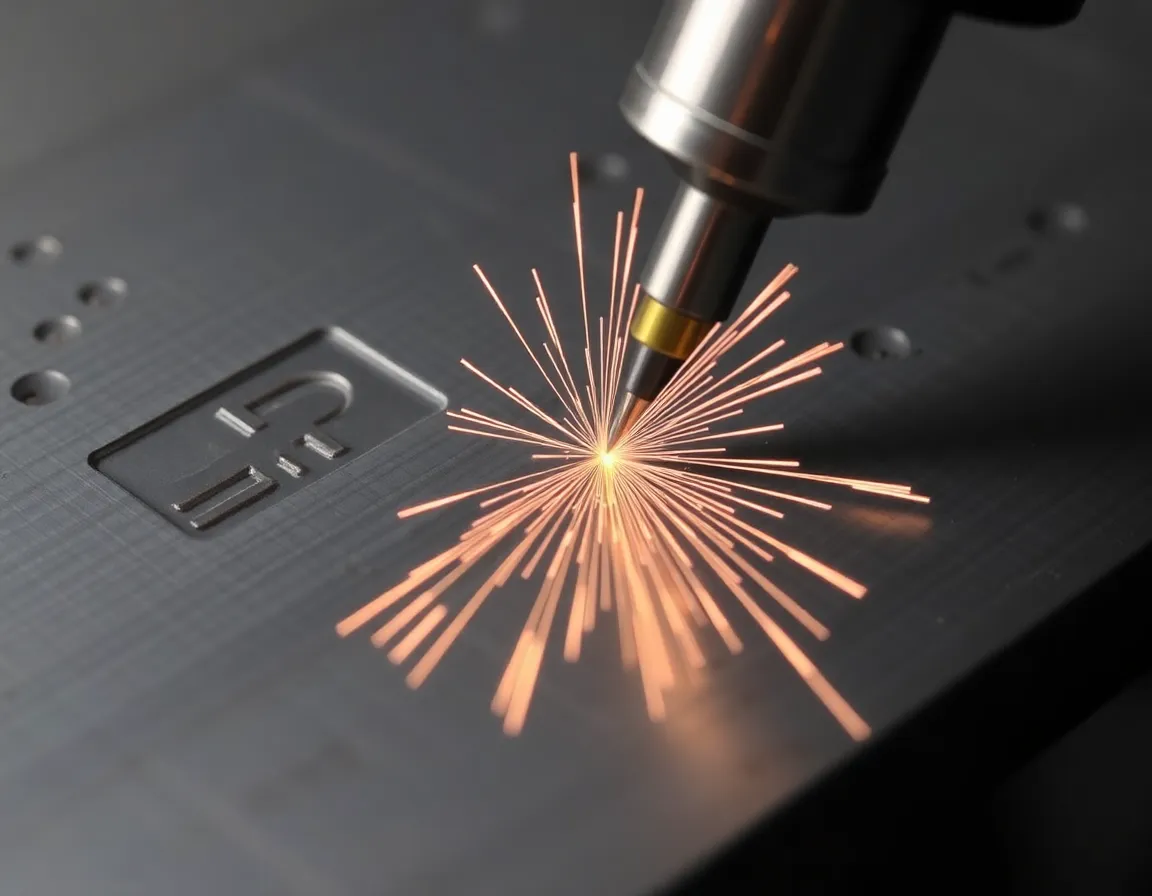
Wire EDM is a non-contact, thermal machining process. A thin, electrically charged wire (typically brass or coated) is fed through the workpiece, which is submerged in deionized water. A controlled electrical spark is generated between the wire and the material, eroding microscopic particles away. The deionized water acts as a coolant and flushing agent, carrying away debris and preventing arcing. The wire never actually touches the workpiece, eliminating mechanical stress and allowing for the machining of extremely hard materials.
Why Carbide is Different
The challenge with carbide lies in its two-phase composition. The hard carbide grains are excellent electrical insulators, while the cobalt binder is highly conductive. This inconsistent conductivity can lead to unstable sparking, uneven wear, and a phenomenon known as "cobalt leaching," where the binder is preferentially eroded, leaving a porous, weakened surface layer. Mastering the process involves controlling this erosion to achieve a smooth, consistent cut.
Best Practices and Tips for Flawless Carbide Cuts
Achieving perfection in carbide wire EDM requires attention to every detail, from initial setup to final cut. Here are the key areas to focus on.
1. Workpiece Preparation and Setup
Success begins long before the first spark.
Stress-Relieving: Ensure the carbide blank has been properly sintered and stress-relieved. Internal stresses from the manufacturing process can cause the material to warp or crack during or after machining.
Secure Mounting: Carbide is dense and brittle. Use robust, flat mounting surfaces and secure clamping to prevent any movement or vibration. Poor mounting is a primary cause of breakage and inaccuracy.
Start Holes and Threading: Use quality, pre-drilled start holes (often made with a specialized EDM drill). Deburr the hole entrance thoroughly to prevent the wire from catching or deflecting during threading.
2. Wire Selection and Parameters
The wire is your primary cutting tool, and its selection is paramount.
Wire Type: For most carbide applications, a diffusion-annealed or zinc-coated brass wire is preferred. The coating provides a higher vaporization point, creating a more powerful and stable spark that can better handle the hard carbide grains. The coating also improves flushing by creating larger bubbles that help eject debris.
Wire Diameter: Choose the largest diameter wire suitable for the required corner radii. Larger diameter wires (0.012" / 0.3mm and above) offer greater tensile strength, improved flushing, and more consistent sparking in challenging materials like carbide.
Electrical Parameters: Adopt a strategy for stable, consistent sparking rather than maximum speed.
- Lower Peak Current (IP): Use lower amperage settings to generate smaller, more controlled sparks. This reduces the thermal impact, minimizing the risk of micro-cracks and excessive cobalt leaching.
- Optimized Pulse Settings: Fine-tune the on-time (pulse duration) and off-time. Shorter on-times help control heat, while sufficient off-time allows for effective flushing and deionization of the spark gap.
- Servo Control: Maintain a consistent, slightly more generous spark gap than you would for steel. This improves flushing and stability when dealing with the non-conductive carbide particles.
3. Flushing: The Most Critical Factor
In carbide EDM, effective flushing isn't just important—it's everything. The erosion byproducts are abrasive and can cause secondary sparking (electrolysis) and wire breakage if not removed.
High Pressure: Use the highest possible flush pressure your machine and workpiece setup can tolerate. This aggressively forces debris out of the kerf.
Flush Direction: Always flush from the bottom nozzle upward through the kerf. This helps lift debris out and prevents it from accumulating and causing instability.
Water Resistivity: Maintain tight control over the dielectric water. For carbide, a slightly higher resistivity (lower conductivity) is often beneficial—in the range of 50,000 to 100,000 ohm-cm. This helps reduce the electrolytic effect that attacks the cobalt binder.
4. Multiple Pass Strategy (Skim Cuts)
Never attempt to finish a carbide part in a single, roughing pass. A multi-pass strategy is non-negotiable for quality.
- Roughing Pass: Removes the bulk of material but leaves a damaged, recast layer.
- Multiple Skim Passes: Subsequent passes, using progressively lower power settings and possibly a smaller wire offset, skim away the damaged layer from the previous pass. Two to four skim passes are standard for carbide. Each pass improves surface finish, dimensional accuracy, and removes micro-cracks.
This method ensures the final surface is generated by the cleanest, most stable sparks, resulting in superior integrity and accuracy.
Applications and Benefits of Carbide Wire EDM
The meticulous effort required for carbide wire EDM is justified by its unparalleled results in critical applications.
Key Applications
- Tool and Die: Production of intricate stamping dies, progressive dies, blanking punches, and forming tools where extreme wear resistance is required.
- Medical Components: Surgical blades, orthopedic implant guides, and dental tooling that demand absolute precision and biocompatible, burr-free edges.
- Precision Wear Parts: Nozzles, gauges, slitter knives, and bearing components that must maintain sharp edges and tight tolerances under abrasive conditions.
- Electronics and Micro-Machining: Creating fine features in carbide substrates and connectors for the electronics industry.
Tangible Benefits
- Machining the Unmachinable: It is the most effective way to cut complex shapes in fully hardened carbide.
- Exceptional Precision and Repeatability: Holds tolerances within ±0.0002" (0.005mm) or better, with excellent batch-to-batch consistency.
- Superior Surface Finish: Properly executed skim passes can produce surface finishes better than 10 Ra µin (0.25 Ra µm), reducing or eliminating the need for post-polishing.
- Zero Mechanical Stress: The non-contact process eliminates tool pressure, preventing chipping, cracking, and distortion in the brittle material.
Conclusion: The Path to Mastery
Mastering carbide wire EDM is a commitment to process excellence. It requires a deep understanding that the machine is only one part of the equation. The true craftsman knows that success is built on meticulous preparation, intelligent parameter selection based on material behavior, and an unwavering focus on flushing and multi-pass strategies. By respecting the unique properties of carbide and methodically applying these best practices—from secure workpiece mounting and selecting the right wire to managing dielectric resistivity and executing precise skim cuts—you transform a challenging process into a reliable one. The result is more than just a cut; it's the creation of flawless, high-performance components that push the boundaries of what is possible in precision manufacturing.