Introduction to C36000 Brass: The Machinist's Favorite
In the world of precision machining, material selection is half the battle. Among the vast array of alloys available, one stands out for its exceptional machinability and reliability: C36000 Free-Cutting Brass, often referred to simply as "360 Brass." This leaded copper-zinc alloy is the benchmark against which the machinability of other metals is measured, boasting a rating of 100% on the machinability index. For engineers, CNC programmers, and machinists, mastering C36000 brass means achieving high productivity, superior surface finishes, and extended tool life. This comprehensive guide delves into the properties of C36000, its applications, and the definitive best practices for machining it efficiently and effectively.
Understanding C36000 Brass: Composition and Key Properties
C36000 brass is not a standard brass; it is a specifically engineered free-machining alloy. Its composition is tailored to reduce friction and break chips cleanly during cutting operations. The nominal composition is approximately 61.5% copper, 35.5% zinc, and a critical 3% lead. It is this small but significant lead content that transforms the material's machining characteristics.
Why Lead Makes the Difference
The lead in C36000 is insoluble and forms minute, dispersed particles throughout the copper-zinc matrix. These particles act as internal lubricants during machining. They reduce the shear strength of the chip, minimize friction at the tool-chip interface, and promote the formation of small, broken chips instead of long, dangerous continuous ones. This leads to several key benefits:
- Unparalleled Machinability: The 100% rating means it machines faster and with less power consumption than materials like 303 stainless steel (rated ~78%) or aluminum alloys.
- Excellent Surface Finish: The inherent lubricity allows for smooth cutting, often producing fine finishes directly off the machine.
- Low Cutting Forces: Reduced tool wear and lower stress on machine tool spindles and components.
- Superior Chip Formation: Short, broken chips are easy to evacuate, preventing chip entanglement and protecting the workpiece and tool.
Physical and Mechanical Properties
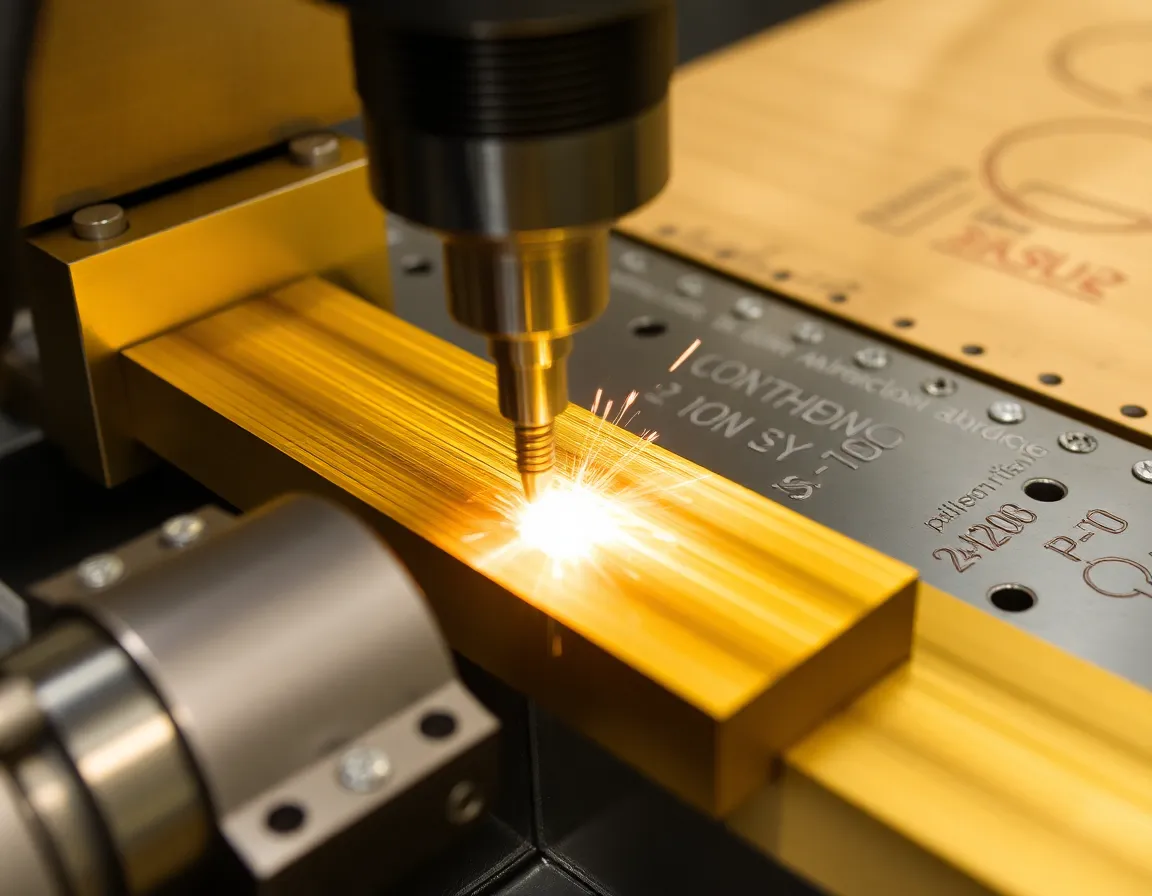
Beyond machinability, C36000 offers good strength, corrosion resistance typical of brasses, and excellent electrical conductivity. It is not suitable for cold forging or applications involving high temperatures (due to lead migration), but it is perfect for parts produced primarily by machining. Its natural corrosion resistance and attractive gold-like appearance also make it suitable for many decorative and functional components.
Primary Applications of C36000 Brass
The combination of easy machining and good overall performance makes C36000 the go-to material for a vast range of high-volume components. Its applications span numerous industries:
- Plumbing & Hardware: Valve bodies, fittings, faucet stems, nuts, bolts, and screw machine parts.
- Electrical & Electronics: Connectors, terminals, sockets, and switch components where conductivity and precision are key.
- Automotive: Fuel system components, bushings, gears, and decorative trim pieces.
- Consumer Goods: Zippers, locks, keys, musical instrument parts, and precision instruments.
- Industrial Machinery: Bearings, gears, and custom fasteners requiring tight tolerances.
It is crucial to note that due to its lead content, C36000 brass is not used for potable water applications in many jurisdictions. For such uses, lead-free alternatives like C35300 or C48500 are specified.
Mastering Machining: Best Practices and Tips for C36000
While C36000 is forgiving, adhering to optimized practices maximizes efficiency, part quality, and tool economy. Here’s a breakdown of critical considerations.
Tooling Selection and Geometry
Choosing the right tool is paramount. Carbide tools are highly recommended for their wear resistance and ability to handle high speeds.
- Material: Uncoated or TiN-coated carbide grades are excellent. High-speed steel (HSS) can be used but will limit cutting speeds.
- Geometry: Use sharp, positive rake angles to reduce cutting forces and promote a smooth shear. Polished flutes on end mills or drills aid in chip evacuation. For drills, a standard 118° or 135° split-point geometry works well.
- Tool Condition: Always use sharp tools. Dull tools increase heat and pressure, which can cause material to "smear" or gall, leading to poor surface finish and dimensional inaccuracy.
Cutting Parameters: Speed, Feed, and Depth of Cut
C36000 thrives under aggressive, high-speed machining conditions. The goal is to remove material quickly before heat can build up in the tool.
- Cutting Speed (SFM): For carbide tools, surface feet per minute (SFM) can range from 400 to 1000+, with 600-800 SFM being a robust starting point. For HSS, keep speeds between 150-300 SFM.
- Feed Rate: Employ a high feed rate per tooth. This ensures the tool is cutting, not rubbing. Rubbing generates heat and work-hardens the surface. A good rule is to use feeds similar to those for aluminum. For example, a 1/2" carbide end mill might run at 0.003-0.006 inches per tooth (IPT).
- Depth of Cut: C36000 allows for relatively deep cuts due to its low cutting forces. For roughing, axial depths of up to 1x tool diameter and radial depths of 50-75% of tool diameter are common. Always prioritize a heavy depth of cut with a high feed over a light cut with a slow feed.
Coolant and Lubrication Strategy
While C36000 can be machined dry due to its internal lubrication, using a coolant or lubricant is strongly advised for optimal results.
- Benefits: Coolant controls heat at the cutting edge (protecting the tool), flushes away chips, improves surface finish, and prevents chip re-welding.
- Type: A water-soluble flood coolant is standard. For tapping and threading, a concentrated tapping fluid or paste can dramatically improve tool life and thread quality.
- Application: Ensure ample, high-pressure coolant is directed precisely at the cutting zone for effective chip evacuation and cooling.
Chip Control and Evacuation
The free-cutting nature of C36000 produces small, manageable chips. However, effective evacuation remains critical to prevent recutting chips, which can mar the surface finish and dull tools. Use through-tool coolant if available, and employ toolpaths designed to actively clear chips from the cut zone.
Workholding and Part Rigidity
Brass is relatively soft, so care must be taken to avoid distorting the workpiece with excessive clamping force. Use soft jaws machined to the part profile for even pressure distribution. For thin-walled sections, consider sequential machining to maintain rigidity as long as possible during the process.
Avoiding Common Pitfalls in C36000 Machining
Even with a friendly material, mistakes can happen. Be mindful of these common issues:
- Work Hardening: Caused by using a dull tool, too low a feed rate, or too small a depth of cut. The tool rubs instead of cuts, hardening the surface and making subsequent passes difficult. Solution: Keep tools sharp and maintain an aggressive, positive cut.
- Material "Gumminess" on Tools: Occasionally, brass can adhere to the cutting edge. This is often a sign of incorrect speeds/feeds or inadequate coolant. A sharper tool with polished flutes and proper coolant flow usually solves this.
- Burr Formation: C36000 can produce sharp burrs, especially during drilling and exiting cuts. Address this by using sharp tools with proper geometry, employing chamfering operations, and considering deburring processes like tumbling or vibratory finishing.
- Lead Exposure: While the lead is encapsulated, machining creates fine dust and chips. Always use appropriate ventilation (e.g., mist collectors, dust extractors) and follow OSHA or local safety guidelines for handling lead-containing materials.
Conclusion: Embracing Efficiency with Confidence
Mastering C36000 brass machining is about leveraging its inherent properties to achieve maximum manufacturing efficiency. By understanding its free-cutting nature, selecting appropriate tooling, and implementing high-speed, high-feed machining strategies, shops can realize tremendous benefits: faster cycle times, exceptional part quality, reduced tooling costs, and higher profitability. It remains a testament to material science that a simple addition of lead creates an alloy so perfectly suited for the machinist's art. Whether you're running a high-volume screw machine or a CNC machining center for prototypes, applying these best practices for C36000 brass will ensure you get the best possible performance from this classic and indispensable engineering material.