What is Black Oxide Coating?
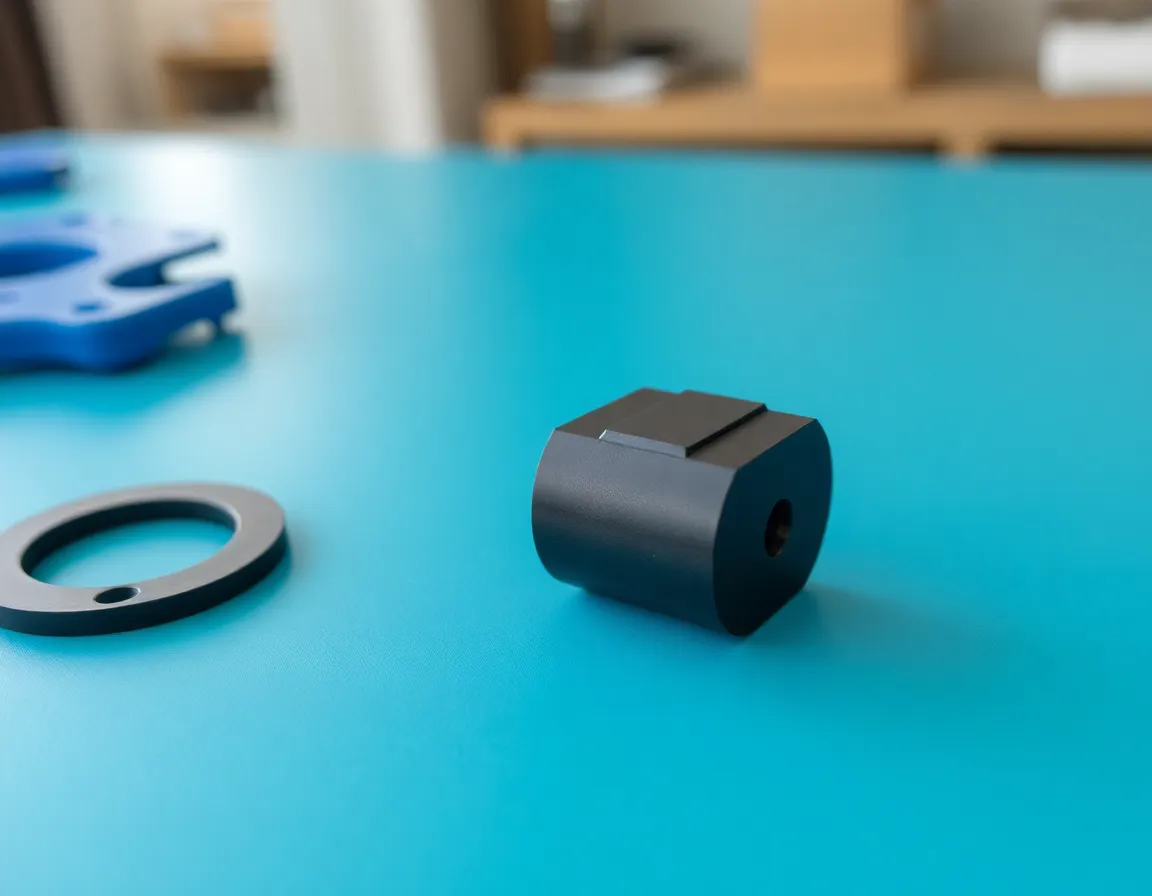
In the world of metal finishing, few processes are as widely used yet as frequently misunderstood as black oxide coating. Often referred to as blackening, gun bluing, or simply black oxide, this chemical conversion coating is a cornerstone of manufacturing, prized for its ability to enhance appearance, provide mild corrosion resistance, and minimize light reflection on ferrous metals, stainless steel, copper, and zinc. At its core, black oxide is not a plated or applied layer, but a transformation of the surface itself. The process chemically converts the top layer of the metal into a magnetite (Fe₃O₄) compound, resulting in a deep, attractive black matte finish that is integral to the part.
The Science Behind the Black
The black oxide process is an electrochemical conversion. For steel, the most common substrate, the part is immersed in a series of heated alkaline solutions—typically containing sodium hydroxide, nitrates, and nitrites—operating at approximately 285°F (141°C). This hot bath reacts with the iron in the steel to form magnetite. This magnetite layer is extremely thin, typically measuring between 0.000010 to 0.000030 inches (0.25 to 0.76 microns). Because the coating is grown from the base metal, it does not chip, peel, or flake like paint or electroplating can. Instead, it becomes a part of the metal's surface, maintaining precise dimensional tolerances, a critical advantage for threaded fasteners, precision tools, and intricate components.
How Black Oxide Works as Rust Protection
It is crucial to understand that black oxide by itself provides only minimal rust protection. The porous magnetite layer, while attractive, can readily absorb moisture if left untreated. The true rust-protective power of a black oxide finish comes from the essential post-treatment: the application of a sealant or oil. This two-stage approach is what makes black oxide a formidable, though often underestimated, rust protection method.
The Sealing Process: Locking Out Corrosion
After the blackening process, parts are thoroughly rinsed and then immediately immersed in a protective sealant. This final step fills the microscopic pores of the magnetite layer, creating a continuous, hydrophobic barrier. The choice of sealant dramatically influences the level of corrosion resistance achieved:
- Oil (Petroleum or Synthetic): The most common and cost-effective post-treatment. Parts are dipped in oil, which provides good short-term corrosion resistance and a slight sheen. Common oils include rust-preventative oils and water-displacing formulas.
- Wax: Offers superior corrosion resistance compared to standard oil. Wax seals provide a thicker, more durable barrier, often used for parts in storage or exposed to harsh environments.
- Lacquer or Polymer Coatings: These advanced sealants provide a dry-to-the-touch finish with excellent corrosion and abrasion resistance. They are ideal for parts that will be handled frequently, as they don't leave an oily residue.
When properly sealed, black oxide can pass salt spray tests (like ASTM B117) for 24 to 100+ hours, depending on the sealant used and the base metal. This makes it suitable for a wide range of indoor and mild outdoor applications.
Key Benefits and Advantages
Black oxide coating remains a dominant finishing choice across industries due to a compelling combination of functional and economic benefits.
Functional Advantages
- Dimensional Stability: The sub-micron thickness of the coating means it adds virtually no measurable thickness to the part. Threads, tight-tolerance gears, and precision-machined surfaces retain their exact dimensions.
- Excellent Adhesion: As a conversion coating, it cannot flake or peel. It provides a perfect base for secondary painting or powder coating if additional color or protection is needed.
- Reduced Light Glare: The matte black finish eliminates reflective glare, which is essential for tactical tools, optical equipment, and firearm components.
- Enhanced Lubricity: The oil-impregnated surface has a naturally low coefficient of friction, beneficial for moving parts like hinges, fasteners, and gears.
Economic and Aesthetic Advantages
- Cost-Effectiveness: Compared to plating processes like zinc or chrome, black oxide is generally less expensive, especially for high-volume runs, due to lower energy and material costs.
- Aesthetic Appeal: It provides a uniform, deep black, professional finish that is both attractive and functional, often associated with high-quality tools and components.
- Eco-Friendlier Process: Modern black oxide processes are often regulated and designed to minimize hazardous waste. The chemicals used are contained and managed, and the process does not produce heavy metal sludge like some electroplating.
Applications Across Industries
The unique properties of black oxide make it the finish of choice for a staggering array of products. Its presence is often a sign of thoughtful engineering.
- Automotive & Aerospace: Fasteners (screws, bolts, nuts), brackets, engine components, and landing gear parts benefit from the dimensional stability and corrosion resistance.
- Firearms & Defense: The iconic "blued" finish on gun barrels and components is a form of black oxide, prized for its glare reduction, wear resistance, and classic appearance.
- Tools & Hardware: Wrenches, sockets, drill bits, saw blades, and hand tools universally use black oxide for its durability, non-slip grip, and professional look.
- Medical & Dental Instruments: Surgical tools, scissor, and forceps are often black oxide finished for reduced glare under bright lights and mild corrosion resistance through repeated sterilizations.
- Consumer Goods & Architecture: From decorative hinges and door handles to camera parts and bicycle components, black oxide adds durability and a sleek, modern aesthetic.
Best Practices for Application and Maintenance
To maximize the rust protection and longevity of black oxide-finished parts, adherence to best practices in both application and care is essential.
Pre-Treatment and Process Control
A successful black oxide finish starts with impeccable surface preparation. Any oil, grease, rust, or scale must be completely removed through a multi-stage cleaning process involving alkaline cleaning, acid pickling, and thorough rinsing. Contaminants left on the surface will result in a non-uniform, blotchy finish with compromised corrosion resistance. Furthermore, the chemistry, temperature, and immersion time of the black oxide bath must be meticulously controlled to ensure a consistent, high-quality magnetite layer.
Post-Treatment Selection
Choosing the right sealant is not an afterthought—it is the most critical decision for performance. Match the sealant to the end-use environment:
- For indoor, low-moisture applications: A standard oil dip may suffice.
- For outdoor exposure, high humidity, or frequent handling: Opt for a wax or advanced polymer sealant.
- For parts requiring a dry film: Specify a lacquer or proprietary dry-film sealant.
Maintenance and Care
Black oxide is a durable finish, but it is not indestructible. Proper maintenance extends its life significantly. For oil-sealed parts, periodic re-oiling with a light machine oil or a dedicated rust-preventative oil is recommended, especially if the part is cleaned or exposed to solvents that can strip the oil. Avoid using abrasive cleaners or steel wool, as these can scratch through the thin coating. Instead, use a soft cloth and a mild detergent. For wax or polymer-sealed parts, simple wiping with a damp cloth is usually all that is needed.
In conclusion, black oxide coating stands as a testament to elegant engineering simplicity. It is a finish that enhances the metal from within, providing an unmatched combination of dimensional fidelity, aesthetic value, and—when paired with the correct sealant—robust rust protection. By understanding its nature as a porous conversion coating that requires sealing, engineers, manufacturers, and end-users can specify and maintain black oxide finishes to ensure parts perform beautifully and resist corrosion for years to come. It remains, truly, an ultimate rust protection solution for a vast world of metal components.