The Art of Engineering: Precision CNC Machining Meets Ergonomic Design
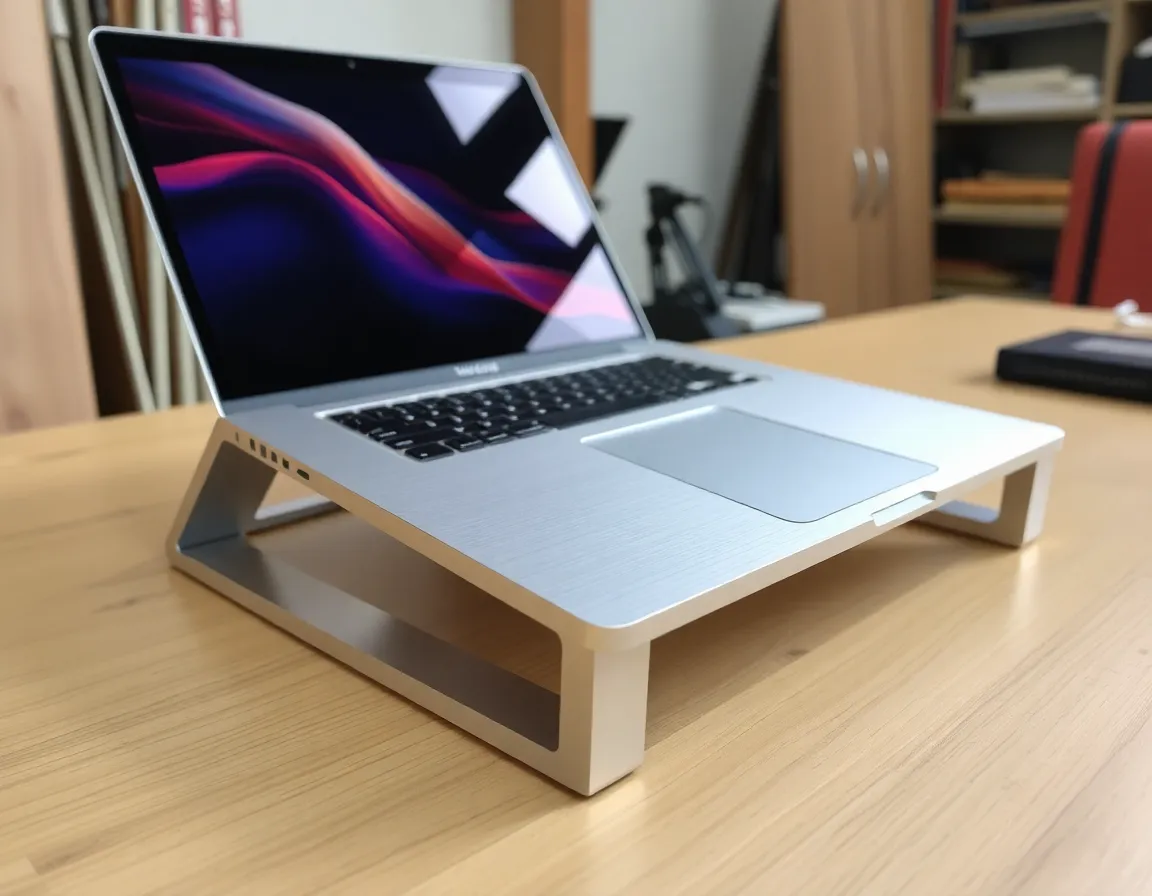
In the world of premium tech accessories, the aluminum laptop stand has emerged as a symbol of both functional ergonomics and sophisticated design. Beyond a simple riser, a high-quality stand is an engineered solution for posture, cooling, and productivity. While many are familiar with the end product, few appreciate the advanced manufacturing process that brings these sleek, durable, and precise objects to life: Computer Numerical Control (CNC) machining. This article delves into the intricate world of precision CNC machining for premium aluminum laptop stands, exploring the process, its unparalleled benefits, and why it remains the gold standard for discerning brands and users.
What is Precision CNC Machining for Aluminum Laptop Stands?
Precision CNC machining is a subtractive manufacturing process where pre-programmed computer software dictates the movement of factory tools and machinery. For aluminum laptop stands, this process involves taking a solid block or billet of high-grade aluminum and meticulously cutting away material to form the final product with extreme accuracy. Unlike casting or stamping, CNC machining carves the stand from a solid piece of metal, resulting in superior structural integrity and exceptional detail.
The Core Process: From Digital Blueprint to Physical Masterpiece
The journey begins with a detailed 3D CAD (Computer-Aided Design) model of the laptop stand. This model is then translated into a CNC program (G-code) that instructs the machine on every movement, tool change, spindle speed, and feed rate. The chosen aluminum billet—often alloys like 6061 or 7075 for their ideal blend of strength, weight, and machinability—is securely fastened to the CNC machine's bed.
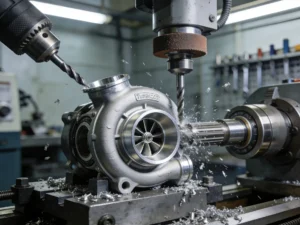
Using a variety of cutting tools, such as end mills and drills, the machine then executes a series of operations: milling the overall shape, carving out intricate patterns for weight reduction and ventilation, drilling precise mounting holes, and creating smooth, rounded edges (chamfers). High-end stands may undergo multi-axis machining (3-axis, 5-axis) to create complex geometries and undercuts in a single setup, ensuring flawless alignment and seamless aesthetics that are impossible with simpler methods.
Why CNC Machining is the Superior Choice for Premium Stands
The choice of manufacturing process directly impacts the quality, performance, and feel of a laptop stand. CNC machining offers a suite of advantages that justify its use for premium products.
Unmatched Precision and Consistency
CNC machines operate with micron-level tolerance. This means every vent hole, every screw thread, and every mating surface is produced with exacting consistency. For a laptop stand, this precision ensures perfect stability on your desk, a secure and wobble-free fit for your device, and flawless assembly if the stand is modular. Every single unit produced is identical to the digital master model, guaranteeing premium quality control.
Exceptional Strength and Durability
Because the stand is milled from a solid block, the grain structure of the aluminum remains continuous, unlike cast parts which can have porous, weaker points. This monolithic construction translates to remarkable strength-to-weight ratio. A CNC-machined stand can be surprisingly lightweight yet robust enough to securely hold heavy mobile workstations without flexing or creaking, promising a lifetime of reliable use.
Superior Surface Finish and Aesthetic Freedom
CNC machining allows for the creation of sharp, clean lines, intricate geometric patterns, and sophisticated textures directly from the tooling. The resulting "as-machined" finish is already sleek, but it also serves as a perfect canvas for further finishing processes. The aluminum can be:
- Anodized: For a hard, corrosion-resistant, and colorful surface in virtually any hue.
- Bead-blasted: For a uniform, matte, and non-reflective texture that feels great to the touch.
- Polished: For a mirror-like, brilliant shine that highlights the metal's luster.
Enhanced Thermal and Functional Performance
Premium laptop stands are designed to aid cooling. CNC machining enables the creation of optimized, high-flow ventilation patterns that are both functional and visually striking. Designers are not limited to simple slots; they can engineer complex honeycomb structures or directional vents that actively channel air, maximizing the passive cooling effect for the laptop above.
Applications and Design Considerations for Machined Stands
Precision CNC machining is not just for simple platforms. It enables a wide spectrum of sophisticated laptop stand designs catering to diverse user needs.
Ergonomic Adjustability
High-end ergonomic stands often feature adjustable height and tilt mechanisms. CNC machining is critical for producing the precise hinge components, geared risers, or sliding parts that allow for smooth, secure, and repeatable adjustments. The precision ensures there is no play or slippage once the desired angle is set.
Portable and Minimalist Designs
For the mobile professional, CNC machining allows for the creation of ultra-thin, lightweight, yet strong stands that can easily slip into a bag. These designs often employ clever folding or interlocking mechanisms made possible only through precise machining of the aluminum components.
Integrated Ecosystem Accessories
Premium stands often evolve into docking stations. CNC machining facilitates the seamless integration of cable management channels, dedicated slots for tablets or phones, and precise cutouts for ports or wireless chargers, creating a unified and clutter-free workspace.
Best Practices in CNC Machining for Aluminum Laptop Stands
To achieve the highest quality product, manufacturers adhere to a set of industry best practices throughout the CNC process.
Material Selection and Preparation
Choosing the right aluminum alloy is paramount. 6061-T6 aluminum is the most common, offering excellent all-around properties. For the ultimate in strength, 7075 aluminum is used, though it is more challenging to machine. The billets must be of high quality, free from internal stresses that could cause distortion during or after machining.
Advanced Toolpath Strategies and Multi-Axis Machining
Efficient and accurate toolpaths minimize machining time, reduce tool wear, and improve surface finish. Using 5-axis CNC machines allows for complex contours to be machined in a single setup, reducing errors and improving the overall geometric accuracy of parts with organic or angled features.
Rigorous Deburring and Finishing
After machining, every edge must be meticulously deburred (smoothed) to ensure a safe and premium feel. This is often done through a combination of manual and automated processes (tumbling, vibratory finishing) before the component moves to surface treatment like anodizing.
Quality Assurance at Every Stage
From inspecting the raw material to conducting in-process checks with coordinate measuring machines (CMM) on critical features, quality control is continuous. The final product is assessed for dimensional accuracy, surface finish quality, and assembly fit.
Conclusion: The Mark of True Quality
In a market flooded with mass-produced, often flimsy accessories, a precision CNC-machined aluminum laptop stand stands apart—literally and figuratively. It represents a convergence of advanced engineering, thoughtful design, and manufacturing excellence. The process delivers more than just a functional item; it creates a durable, beautiful, and high-performance tool that enhances the user's daily interaction with technology. The heft, the cool touch of the metal, the absolute lack of flex, and the intricate details are all tangible testaments to the CNC machining process. For those who value craftsmanship, longevity, and superior design in their workspace, a CNC-machined aluminum laptop stand is not an accessory; it's an investment in precision, ergonomics, and enduring quality.