
+86-188-7042-1176
project@juchengjm.com
Mon-Fri: 8am-6pm (GMT+8)
EN
ISO 9001:2015 Certified
Aluminum 6063-T6
Aluminum 6063-T6 is widely known as "Architectural Aluminum" because it offers the best surface finish and anodizing response of the 6xxx series. While it has lower tensile strength than 6061, its superior corrosion resistance and high thermal conductivity make it the industry standard for heat sinks and cosmetic extrusions. At Jucheng Precision, we specialize in both machining 6063 from solid block and post-machining custom extrusions. Our ability to maintain pristine surface quality ensures that your visible components—whether for high-end audio equipment or architectural facades—look flawless after anodizing.
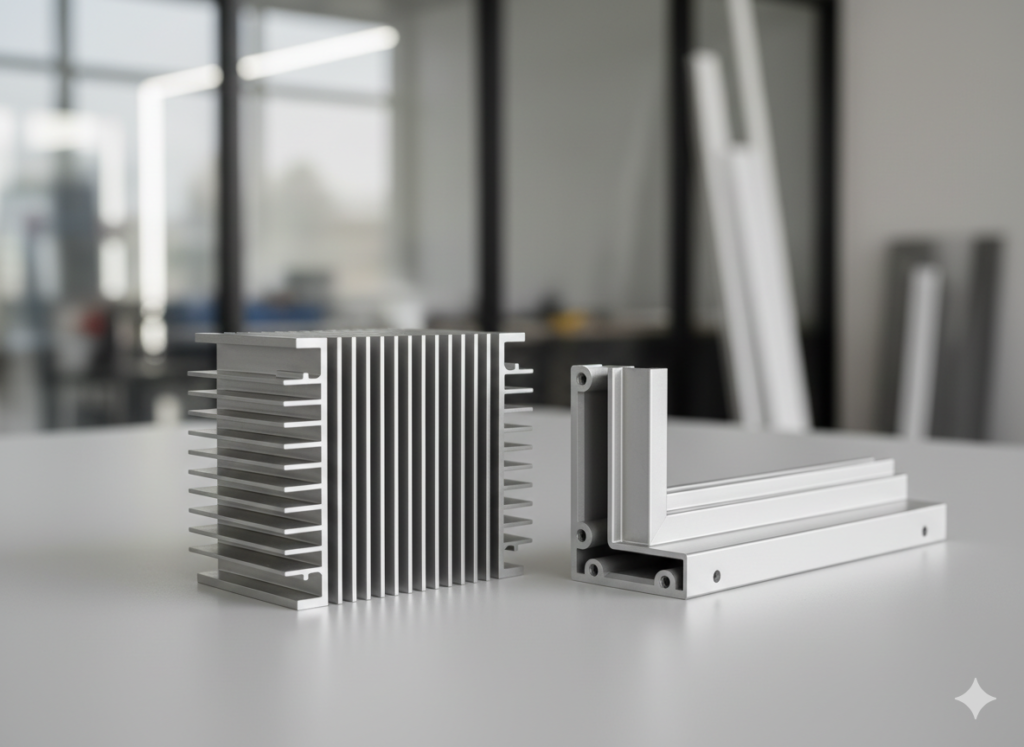
6063-T6 Machining Capabilities
| Capability | Technical Description | Jucheng Advantage |
|---|---|---|
| Heatsink Machining | 6063 has higher thermal conductivity than 6061. We mill complex fin patterns for thermal management. | Our high-speed spindles allow for thin, deep fins without chatter, maximizing heat dissipation area. |
| Extrusion Post-Machining | Precision cutting, drilling, and milling features into custom 6063 extruded profiles. | We handle high-volume extrusion modification with automated feeding systems for cost efficiency. |
| Cosmetic Surface Finishing | 6063 produces the best surface finish for anodizing among 6xxx alloys. | We ensure tool marks are non-existent, providing a premium visual quality for consumer electronics. |
| Architectural Fabrication | Machining custom brackets and trim for architectural facades with tight visual standards. | Capable of handling long parts (up to 2000mm) for window and door frame components. |
Fabrication Guidelines for 6063 Aluminum
Machinability:
6063 is slightly softer and “gummier” than 6061-T6. Chips can be continuous. Tip: Use chip-breaking tool paths and sharp polished inserts to prevent build-up on the cutting edge.
Anodizing Excellence:
This is the preferred alloy for cosmetic anodizing. It matches color consistently and has a brighter finish than 6061. Tip: Ideal for parts where visual appeal is the primary requirement.
Strength Limitation:
6063-T6 is significantly weaker than 6061-T6 (about half the yield strength). Tip: Do not use for high-stress structural components; use 6061 or 7075 instead.
Primary Applications
Thermal Management
CPU coolers, LED light heatsinks, and electronic chassis due to superior thermal conductivity.
Architectural Trim
Window frames, door handles, and interior molding where surface finish is paramount.
Consumer Electronics
Outer casings for audio equipment and appliances requiring a high-end anodized look.
Pipe & Tube Fittings
Irrigation tubing and furniture framing due to good formability and corrosion resistance.
Properties
| Density | 2.69 g/cm³ |
| Tensile Strength | 215 MPa |
| Yield Strength | 170 MPa |
| Hardness | 73 HB (Brinell) |
| Elongation at Break | 12% |
| Thermal Conductivity | 200 W/m-K |
| Electrical Conductivity | 50 - 55% IACS |
| Fatigue Strength | 70 MPa |
| Machinability Rating | Fair |
| Weldability | Excellent |
| Anodizing Quality | Superior |
| Max Part Size | 2000 x 800 x 600 mm |